Start with the setting
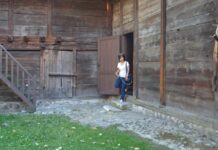
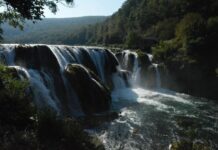
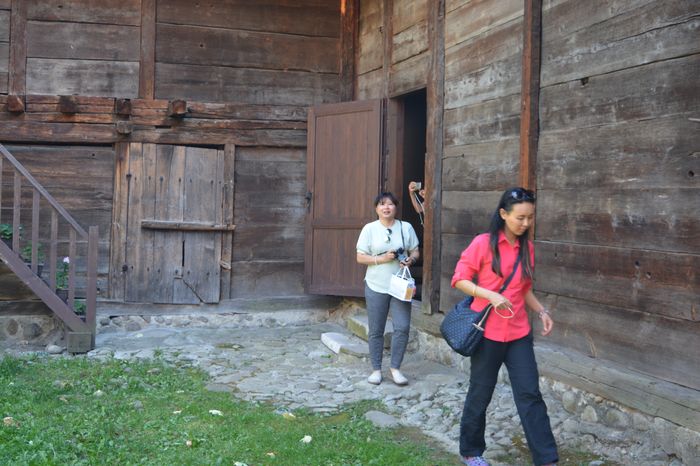
A watermill makes most sense when you see it in relation to a stream or channel. Begin your visit by observing how water reaches the mill and where it flows afterward. Look at the building’s position and the nearby path. Even if machinery is not running during your visit, the layout can help you imagine how water once powered everyday work.
Confirm in advance whether a mill site is open and whether a demonstration is scheduled. Some heritage locations welcome visitors on set days or by arrangement. Ask about access, the length of the visit and any areas that are closed to the public. This prevents a long journey based on assumptions.
Notice how the work happens
Take time with each part of the process. Ask how grain was prepared, how water moved the mechanism and what the mill produced for nearby households. A guide or mill worker may explain details that are difficult to understand from the machinery alone.
If the mill is operating, stay within visitor areas and follow instructions. Moving parts and wet surfaces require care. If it is not running, you can still look at the structure and imagine the sequence of work. The quiet can be a useful part of the visit, giving you room to consider how much skill it took to maintain the system.
Connect milling with another craft
For a different kind of hands-on heritage, see the Bulgarian Traditional Bookbinding Workshop Itinerary. Both themes centre on practical knowledge passed through making: one transforms grain, while the other assembles paper into a durable object. Visit them on separate days so each receives proper attention.
A wider outdoor trip can include Vitosha Bulgaria Private Tours. Consider how a nature walk might fit around the mill visit, but check transport and opening details before setting a schedule. Countryside travel can take longer than expected.
Move at the pace of the water
A watermill route works well as a gentle day out. Wear shoes suitable for uneven ground, carry water and leave enough time for a meal or a rest nearby. Avoid rushing between multiple locations. One well-understood mill can tell a richer story than several quick stops.
If your travels also include Istanbul, an Ensar Istanbul Tour Guide can help with planning that city visit. Keep the Bulgarian route focused on its rural setting and milling heritage.
For help planning around your dates or group’s pace, use Contact Us. Mention whether you want a short visit, a guided explanation or a route that includes nearby outdoor stops.
Before leaving, look again at the channel that carries water past the mill. The flow may seem ordinary, but it connects the landscape to the work that happened inside. A watermill visit becomes more meaningful when you leave with a sense of how water, grain and human skill depended on one another.